
Understanding Solar Power Agreements: Solar PPAs for Businesses
Businesses with high energy consumption face increasing pressure to reduce costs and meet sustainability targets. Solar power agreements, particularly Power Purchase Agreements (PPAs), offer a practical solution. These agreements enable companies to access solar energy without upfront capital investment, providing a clear path to cleaner, more affordable electricity. This article explores the fundamentals of solar PPAs, their benefits, and practical considerations for businesses aiming to transition to renewable energy.
What Are Solar Power Agreements?
Solar power agreements are contracts between a solar energy provider and a business customer. Under these agreements, the provider installs, owns, and maintains solar panels on the customer’s property. The business then purchases the electricity generated at a predetermined rate, often lower than grid prices.
This arrangement removes the need for the business to invest in solar infrastructure upfront. Instead, it benefits from predictable energy costs and reduced carbon emissions. Solar power agreements typically last between 10 and 25 years, offering long-term stability.
Key Features of Solar Power Agreements
No upfront capital costs: The solar provider covers installation and maintenance expenses.
Fixed or predictable energy pricing: Businesses pay a set rate for solar electricity, often below market rates.
Maintenance and monitoring: The provider handles system upkeep, ensuring optimal performance.
Environmental benefits: Using solar energy reduces reliance on fossil fuels and lowers carbon footprints.

Benefits of Solar Power Agreements for Businesses
Solar PPAs offer several advantages, especially for high energy-consuming commercial entities such as manufacturing companies, retail warehouses, and supermarkets. These benefits extend beyond cost savings to include operational and environmental improvements.
Financial Advantages
Reduced energy bills: Solar electricity is often cheaper than grid power, leading to immediate savings.
No capital expenditure: Businesses avoid large upfront costs and preserve capital for other investments.
Predictable energy costs: Fixed or escalating rates help with budgeting and financial planning.
Potential tax benefits: Depending on jurisdiction, businesses may access incentives or tax relief related to solar energy.
Operational Benefits
Minimal disruption: Installation and maintenance are managed by the provider, reducing operational impact.
Energy independence: Solar power reduces exposure to grid price volatility and supply risks.
Sustainability goals: Using renewable energy supports corporate social responsibility and net-zero targets.
Environmental Impact
Lower carbon emissions: Solar energy displaces fossil fuel-generated electricity.
Positive brand image: Demonstrating commitment to sustainability can enhance reputation with customers and stakeholders.
For businesses interested in exploring options, consulting with experts who provide full turnkey solutions—including grid and permit applications, solar designs, and glare assessments—can streamline the process.
Can I Claim Solar Panels as a Business Expense?
Businesses often ask whether solar panel installations can be claimed as a business expense. The answer depends on the ownership and financing structure of the solar system.
Ownership and Tax Treatment
Owned systems: If a business purchases and owns the solar panels, the cost can typically be capitalised and depreciated over time. Some jurisdictions allow accelerated capital allowances or investment tax credits.
Solar PPAs: Since the solar provider owns the system, the business does not claim the panels as an asset. Instead, the payments made under the PPA are usually treated as operating expenses.
Practical Considerations
Consult a tax advisor: Tax rules vary by region and business type. Professional advice ensures compliance and maximises benefits.
Incentives and grants: Some governments offer grants or incentives for solar installations, which may affect the overall financial treatment.
Understanding these distinctions helps businesses plan their solar investments effectively and align them with financial strategies.
How Solar PPAs Work in Practice
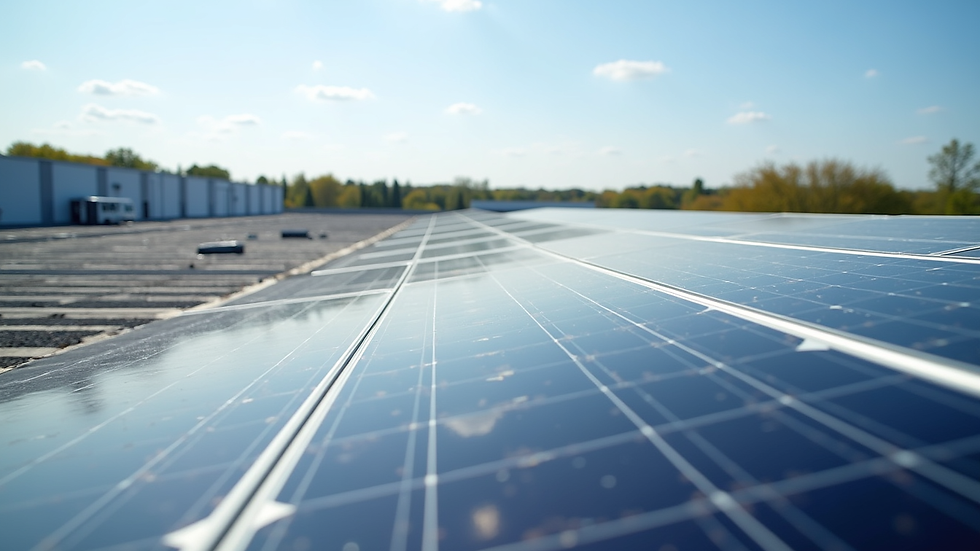
A solar PPA begins with an assessment of the business’s energy needs and site suitability. The solar provider designs a system tailored to the location, considering factors such as roof space, shading, and energy consumption patterns.
Step-by-Step Process
Site evaluation: Technical experts assess the property for solar potential.
Proposal and contract: The provider offers a PPA with terms including pricing, contract length, and performance guarantees.
Installation: The provider installs the solar panels and related equipment.
Operation and maintenance: The provider monitors system performance and handles repairs.
Energy supply: The business purchases solar electricity at the agreed rate.
Pricing Models
Fixed rate: A constant price per kilowatt-hour (kWh) for the contract duration.
Escalating rate: Prices increase by a fixed percentage annually, often below expected grid price inflation.
Hybrid models: Combinations of fixed and variable pricing.
Contractual Considerations
Performance guarantees: Providers may guarantee minimum energy production levels.
Termination clauses: Terms for early contract exit or transfer.
Metering and billing: Accurate measurement of solar energy supplied is essential.
Businesses should carefully review contract terms and seek legal advice to ensure alignment with operational and financial goals.
Choosing the Right Solar PPA Provider
Selecting a reliable solar PPA provider is critical to the success of a solar project. Businesses should evaluate providers based on experience, financial stability, and service offerings.
Key Evaluation Criteria
Track record: Proven experience with commercial solar installations.
Financial strength: Ability to fund and maintain projects over the contract term.
Technical expertise: Capability to design systems that maximise energy yield.
Customer service: Responsive support and transparent communication.
Turnkey solutions: Providers offering end-to-end services, including grid connection and permitting, simplify project delivery.
Engaging with a provider that understands the specific needs of high energy-consuming businesses ensures a smoother transition to solar power.
For businesses in the UK, exploring options such as a solar ppa for business uk can provide tailored solutions aligned with local regulations and market conditions.
Maximising the Benefits of Solar PPAs
To fully leverage the advantages of solar PPAs, businesses should consider complementary strategies.
Energy Management
Monitor consumption: Use energy management systems to optimise usage and reduce waste.
Demand response: Adjust operations to align with solar generation peaks.
Energy storage: Integrate battery systems to store excess solar energy for use during non-generation periods.
Sustainability Integration
Set clear targets: Define measurable goals for carbon reduction and renewable energy use.
Communicate progress: Share achievements with stakeholders to build trust and support.
Continuous improvement: Regularly review energy strategies and update as technology evolves.
Regulatory Compliance
Stay informed: Keep abreast of changes in energy policy, incentives, and grid requirements.
Engage experts: Work with consultants for permit applications and compliance assessments.
By combining solar PPAs with proactive energy management and sustainability planning, businesses can enhance financial returns and environmental impact.
Solar power agreements represent a practical, cost-effective pathway for businesses to adopt renewable energy. They offer financial predictability, operational ease, and environmental benefits without the burden of upfront investment. For organisations with significant energy demands, partnering with experienced providers and integrating solar PPAs into broader energy strategies supports long-term resilience and sustainability.


Comments